 QuantaVue
Men's Well-being: Holistic Perspectives
Comprehensive educational content exploring natural approaches to sustained vitality and wellness for men, with emphasis on life after 40.
Introduction: Understanding Men's Health Holistically
Men's well-being encompasses multiple interconnected dimensions: physical health, nutritional balance, mental clarity, emotional resilience, and the role of lifestyle practices. This comprehensive approach recognizes that vitality results from the integration of various factors rather than single interventions.
The aging process brings physiological changes, yet understanding these changes and implementing supportive lifestyle practices can help maintain vitality and energy throughout life. This section delves deeper into specific topics relevant to men's well-being within a natural and holistic framework.
The Importance of Balanced Nutrition
Nutrition forms the foundation of physical vitality and systemic health. For men, understanding the principles of balanced nutrition is essential to supporting energy levels, muscular function, cognitive clarity, and overall well-being.
Key Nutritional Elements:
- Proteins: Essential for muscle maintenance, enzyme production, and hormonal balance. Sources include legumes, nuts, fish, and whole grains.
- Healthy Fats: Support cognitive function, hormonal production, and nutrient absorption. Found in avocados, nuts, seeds, and fish.
- Complex Carbohydrates: Provide sustained energy and support digestive health. Include whole grains, vegetables, and legumes.
- Micronutrients: Vitamins and minerals regulate metabolic processes. Obtained through varied consumption of fruits, vegetables, and whole foods.
- Hydration: Fundamental to every physiological process. Adequate water intake supports energy, cognitive function, and systemic health.
The principle of nutritional balance emphasizes variety and whole food sources over supplementation or restriction. Individual needs vary based on activity level, age, and personal factors.

Physical Activity and Vitality
Regular movement is central to maintaining vitality across the lifespan. Physical activity supports cardiovascular health, muscular function, metabolic efficiency, bone density, and mental well-being.
Forms of Physical Activity:
- Cardiovascular Exercise: Walking, jogging, cycling, and swimming support heart health and sustained energy. Consistency matters more than intensity.
- Resistance Training: Maintaining and building muscle mass supports metabolic function and physical capability. No intense training is necessary; bodyweight exercises provide substantial benefits.
- Flexibility and Mobility: Gentle stretching, yoga, and tai chi maintain joint health, range of motion, and physical resilience.
- Consistency Over Intensity: Regular, moderate activity provides greater long-term benefits than sporadic intense exercise.
- Enjoyment and Sustainability: Activities you enjoy are more likely to be maintained. Finding movement that aligns with personal interests supports long-term vitality.
Physical activity also has profound effects on mental health, reducing stress, improving mood, and supporting cognitive clarity. The mind-body connection is evident in how physical movement influences mental well-being.

Understanding Age-Related Changes
Men's bodies undergo gradual physiological changes throughout life. Understanding these changes—rather than viewing them as decline—helps frame wellness as adaptive and sustainable.
Metabolic Changes
As men age, metabolic rate gradually decreases, affecting energy processing and body composition. Maintaining muscular function through activity and ensuring adequate protein intake support metabolic health. Consistent physical activity helps maintain metabolic efficiency despite age-related changes.
Energy and Recovery
Recovery processes may require more time, emphasizing the importance of adequate sleep and stress management. Prioritizing sleep quality and duration becomes increasingly important for maintaining vitality and supporting the body's repair mechanisms.
Physical Resilience
Maintaining muscle mass, bone density, and joint health requires consistent physical activity. Flexibility and mobility work become increasingly important for maintaining physical capability and preventing injury.
Cognitive Function
Mental clarity and cognitive sharpness can be maintained through regular physical activity, mental engagement, adequate sleep, and stress management. The brain benefits from the same lifestyle factors that support physical health.
Natural Approaches to Well-being
Within a holistic framework, natural approaches to wellness emphasize lifestyle practices and whole food sources rather than external interventions.
Core Natural Approaches:
- Nutritional Sufficiency: Meeting the body's nutritional needs through varied, whole foods supports all physiological functions.
- Sleep Quality: Consistent sleep schedules, sleep environment optimization, and stress reduction improve sleep quality and recovery.
- Stress Management: Practices such as meditation, breathing exercises, time in nature, and social connection reduce chronic stress.
- Physical Activity: Regular movement supports physical, mental, and emotional health. Variety in activity types supports comprehensive fitness.
- Mental Engagement: Learning, problem-solving, and intellectual engagement support cognitive vitality.
- Social Connection: Relationships and community support emotional resilience and overall well-being.
These approaches emphasize agency and self-care rather than external solutions. Understanding that wellness results from consistent lifestyle choices empowers informed decision-making about personal health practices.
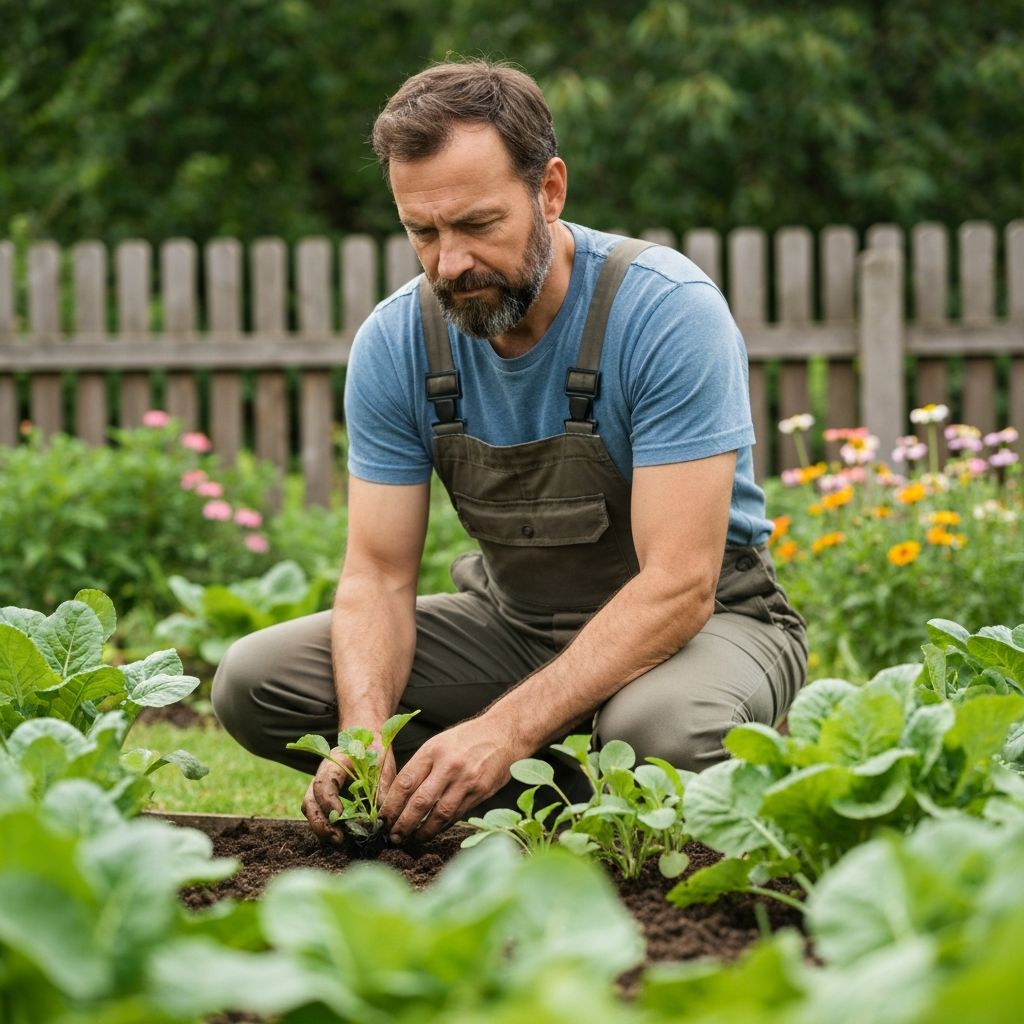
The Concept of Vitality
Vitality is not the absence of aging but rather the presence of energy, resilience, and engagement with life. Vitality involves maintaining physical capability, mental clarity, emotional balance, and the capacity to pursue meaningful activities.
Components of Sustained Vitality:
- Physical Energy: The capacity for sustained physical activity and the absence of fatigue limiting daily activities.
- Mental Clarity: Cognitive sharpness, focus, and the ability to engage in complex thinking and problem-solving.
- Emotional Resilience: The capacity to manage stress, maintain emotional balance, and recover from challenges.
- Physical Capability: Strength, flexibility, and endurance supporting the activities one values.
- Engagement with Life: Interest in activities, relationships, learning, and meaningful pursuits.
These components are interconnected. Physical activity enhances mental clarity. Adequate sleep supports emotional resilience. Social connection improves overall well-being. Understanding these connections helps frame wellness as a holistic, integrated system rather than isolated health factors.
Lifestyle Practices for Sustained Well-being
Sustaining vitality throughout life involves consistent attention to foundational lifestyle practices. These practices work synergistically to support overall health and resilience.
Sleep Optimization
Quality sleep is fundamental to recovery, cognitive function, and immune health. Consistent sleep schedules, a supportive sleep environment, and stress reduction techniques improve sleep quality and contribute to sustained vitality.
Nutritional Wisdom
Understanding nutrition principles—balance, variety, whole foods—supports energy and systemic health. Paying attention to how various foods affect your body helps develop personalized nutritional practices aligned with individual needs.
Movement Integration
Incorporating various forms of movement—walking, stretching, strength work, flexibility training—into daily life supports physical and mental health. Consistency matters more than intensity.
Stress Resilience
Developing practices that reduce stress—meditation, time in nature, hobbies, social connection—supports mental and physical health. Stress management becomes increasingly important for sustained vitality.
Mental Engagement
Continuing to learn, engage in problem-solving, and pursue intellectual interests supports cognitive vitality. Mental engagement is as important to sustained wellness as physical activity.
Social Connection
Relationships and community support emotional well-being and resilience. Maintaining meaningful connections and engaging in social activities contributes to overall vitality and life satisfaction.
The Role of Consistency
Sustained vitality results not from perfect individual choices but from consistent implementation of foundational practices over time. Small, regular actions compound into substantial long-term health benefits.
Diversity of Approaches
Different people find different approaches to wellness effective. What supports vitality for one individual may differ for another. Understanding principles rather than following rigid prescriptions allows for the development of personalized wellness practices that align with individual circumstances and preferences.
Continue Your Wellness Education
Explore our comprehensive educational content to deepen your understanding of men's holistic well-being.
Return to Home Explore FAQEducational Information
This content is provided for educational purposes and represents general knowledge, not individual recommendations. Consult qualified healthcare professionals for personalized guidance regarding your specific situation.